Thinking about building in WildBlue? It is an exciting path, but it can also feel like a lot to sort through at once. You need to choose the right homesite, understand how much customization you really want, and keep the moving parts organized from contract to closing. This guide walks you through what to expect when building your custom home in WildBlue, from lot selection to move-in, so you can make decisions with more clarity and confidence. Let’s dive in.
Why lot choice matters first
In WildBlue, your homesite does more than determine where your home sits. It shapes your views, privacy, outdoor living potential, and how you experience the community day to day.
According to WildBlue developer materials, the community spans 3,500 acres with more than 800 acres of freshwater lakes in the Lee County, Estero-Fort Myers corridor. That means your lot choice may affect whether you prioritize lakefront scenery, preserve views, distance to amenities, or a more tucked-away setting.
WildBlue’s lifestyle is also part of the equation. Current community materials from Pulte highlight amenities such as lake recreation, club and sports-club settings, marina and boat-launch access, resort-style pools, and trails. When you choose a lot, you are also choosing how closely your home connects to that lifestyle.
Know your builder path
One of the biggest decisions in WildBlue is choosing the level of customization that fits your goals. Not every new-construction path works the same way, and understanding the difference early can save you time and stress.
Semi-custom with builder plans
If you want a structured process with personalization inside a defined plan lineup, Pulte is a helpful example. Pulte’s current WildBlue materials show 12 home designs and a process built around selecting a homesite first, then matching it with a plan and design options.
This route is often a good fit if you want a new home with meaningful choices, but do not necessarily need a fully one-of-a-kind design. You may be able to personalize layout elements and select finishes like cabinets, countertops, flooring, and paint through Pulte’s design tools.
Fully custom on select estate lots
If your goal is maximum personalization, Stock Custom Homes is the clearest custom-home path mentioned in current WildBlue materials. Stock says it offers a select number of residences on estate lots in the Peninsula, with a process supported by architects, interior designers, construction professionals, and a dedicated Custom Home Coordinator.
This is the path to consider if you want broader design control, more site-specific planning, and a more collaborative approach to the finished product. It may also be better suited for buyers focused on custom outdoor living, pool and spa integration, or more extensive floor plan adjustments.
More standardized new construction
For comparison, Lennar’s Vista WildBlue presents a more standardized approach. Lennar highlights amenities and its Everything’s Included model, which can appeal to buyers who want a simpler selection process and a more defined package.
This is useful context because it shows that “building in WildBlue” can mean very different things depending on the builder. Some buyers want flexibility within a pre-set framework, while others want a true custom experience from the ground up.
What usually gets chosen first
In most WildBlue build scenarios, the order starts with the lot. After that, the floor plan and design selections typically follow.
Pulte’s purchase-process materials support that sequence by showing buyers choose the lot and floor plan first, sign the purchase agreement, and then complete design selections within a short post-contract window through the builder’s process. In practical terms, that means your homesite often acts as the first filter, and your plan becomes the second major decision.
That order matters because not every plan fits every lot the same way. Setbacks, view orientation, outdoor living goals, and how you want the home to sit on the property can all influence which design makes the most sense.
Key design decisions after contract
Once you are under contract, the pace often picks up. This is the stage where your build starts moving from concept to a defined home.
Layout and structural choices
With a semi-custom builder, you may have opportunities to adjust parts of the layout within the available plan structure. Pulte describes an interactive floor-plan process that helps buyers understand their options before finalizing choices.
If you are going the fully custom route, this stage is often more collaborative. You may work through room flow, window placement, outdoor living design, and how the home connects to the homesite itself.
Finishes and materials
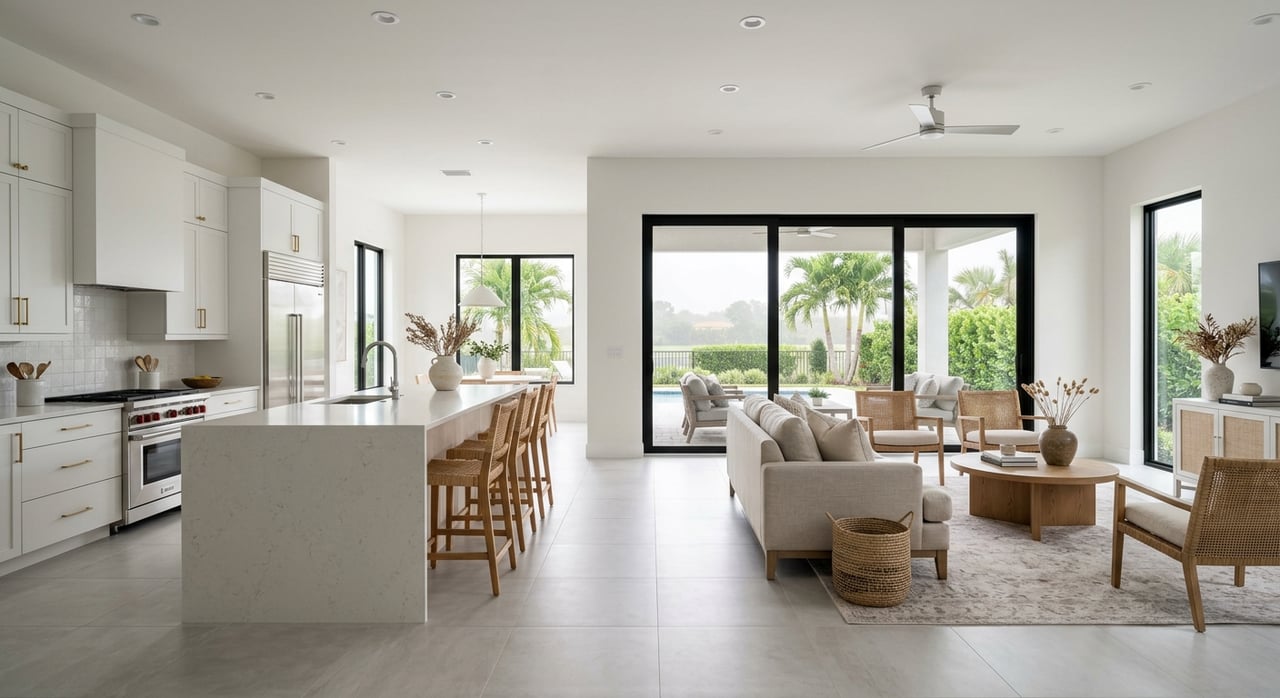
This is where your style becomes more visible. Builder materials point to common design-center decisions such as cabinets, countertops, flooring, and paint, especially in Pulte’s structured design process.
For custom builds, finish decisions may go further and include more detailed interior packages, feature materials, and coordinated indoor-outdoor spaces. The broader the customization, the more important it becomes to stay organized and make decisions on time.
Outdoor living planning
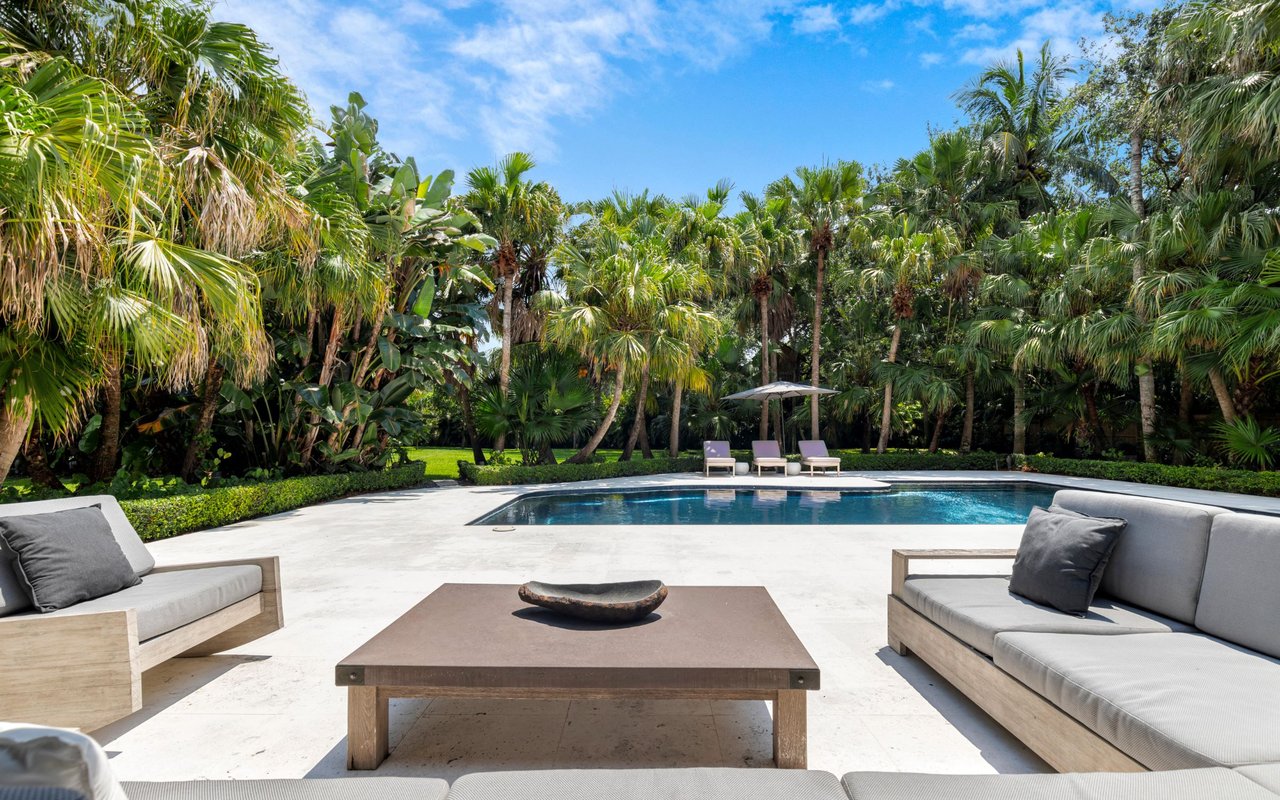
In a lake-oriented, amenity-rich community like WildBlue, outdoor living deserves early attention. Pool, spa, lanai, and view-framing decisions can affect both the design and the schedule.
Stock’s custom-home structure includes affiliated services like Serenity Pool & Spa and Pizzazz Interiors, which supports the idea that outdoor and interior planning often move together on a custom build.
What happens during construction
After selections are complete, the project typically moves into permitting and construction. This is the part of the process many buyers imagine first, but by then, several important decisions have already been made.
Pulte’s Build Quality Experience offers a useful framework for understanding the major checkpoints. These include an introduction with the field manager, foundation inspection, pre-drywall inspection, final inspection, closing, and post-move-in follow-up.
Those milestones are helpful because they show that construction is not just one long stretch of waiting. There are built-in stages where progress is reviewed, questions can be addressed, and key details are confirmed before the home is finished.
How long the process may take
One of the most common questions is timing. While every build is different, it helps to start with a realistic benchmark.
The National Association of Home Builders reports that the average U.S. single-family home took 10.1 months to complete in 2023, while homes built for sale averaged 8.9 months. A custom home can take longer because there are more design decisions, more coordination points, and more opportunities for site-specific complexity.
In WildBlue, a practical way to think about the timeline is this:
- Lot and builder selection
- Contract and early design decisions
- Permitting and pre-construction coordination
- Construction with milestone inspections
- Final walkthrough, closing, and move-in
Your exact timing will depend on the builder path you choose and how quickly decisions are finalized. In general, the more custom the home, the more important it is to build extra time into your expectations.
Who handles what
A smooth build depends on clear coordination. Even when the builder leads construction, there are still several parties involved.
Builder
The builder manages the homebuilding process itself. That usually includes the plan framework or custom design team, construction scheduling, inspections within the builder’s process, and progress communication.
Lender
Financing may be handled through a builder-affiliated lender or another approved lending path, depending on the builder and transaction structure. Pulte’s related companies include Pulte Mortgage, which is one example of how builder financing may be part of the process.
Title company
Title coordination helps bring the transaction to closing. Research materials show builder families may also include affiliated title services such as Pulte’s PGP Title and Stock’s Noble Title & Trust, reinforcing how title is one of the key moving parts to keep aligned.
Your agent
Your agent helps you stay organized from the first lot conversation through closing. That can include comparing builder paths, helping you understand the sequence of decisions, tracking timelines, and keeping communication moving between the builder, lender, and title side.
For many buyers, this is where experienced guidance matters most. Building a home is exciting, but it also comes with details, deadlines, and coordination points that are easier to navigate when you have steady representation focused on your interests.
Budget beyond the base price
When you plan your WildBlue build budget, it helps to look beyond the base home price and design upgrades. Your monthly ownership costs may also include community-related fees and carrying costs.
The research for this topic specifically notes the importance of factoring in HOA and CDD-style carrying costs as part of your budget planning. These costs can affect your monthly picture alongside mortgage, insurance, taxes, and routine upkeep, so they should be part of the conversation early rather than an afterthought.
That does not mean the numbers will be the same for every property or builder path. It does mean you should review the full cost structure carefully before you commit to a lot and plan.
A smart way to approach your WildBlue build
If you want the best experience possible, try to think about the process in this order:
- Clarify your lifestyle goals such as lake views, privacy, outdoor living, or access to amenities.
- Choose the right builder path based on how much customization you want.
- Evaluate homesites carefully before falling in love with a floor plan.
- Understand your design window so you are ready to make decisions on time.
- Plan for timeline flexibility because custom work can take longer.
- Review the full monthly cost picture including community-related carrying costs.
- Work with an experienced local agent who can help coordinate the process from lot to move-in.
Building in WildBlue can be a rewarding way to create a home that fits both your lifestyle and your long-term plans. The key is going in with a clear understanding of the lot, the builder path, the timeline, and the team supporting you along the way.
If you are considering a homesite or weighing your best builder options in WildBlue, Peggy Lotz offers experienced, personalized guidance to help you move through the process with clarity and confidence.
FAQs
What is the first step when building a home in WildBlue?
- In most cases, the first step is choosing the homesite, because the lot helps determine which floor plans, views, and lifestyle features make the most sense.
Which WildBlue builder offers the most customization?
- Based on current builder materials, Stock Custom Homes is the clearest option for buyers who want a more fully custom process with architects, interior designers, and a dedicated coordinator.
How does the Pulte building process work in WildBlue?
- Pulte follows a more structured semi-custom path where you typically choose the lot and floor plan first, then make design selections such as cabinets, countertops, flooring, and paint.
How long does it take to build a home in WildBlue?
- Timelines vary, but national NAHB data shows an average of 10.1 months for single-family home construction in 2023, and a custom build may take longer depending on design decisions and site coordination.
What costs should you budget for when building in WildBlue?
- In addition to the home price and upgrades, you should plan for monthly ownership costs such as mortgage, taxes, insurance, and any HOA or CDD-style carrying costs tied to the property.
Why use an agent for a WildBlue custom-home purchase?
- An experienced agent can help you compare lots, understand builder differences, keep the process organized, and coordinate communication between the builder, lender, and title company.