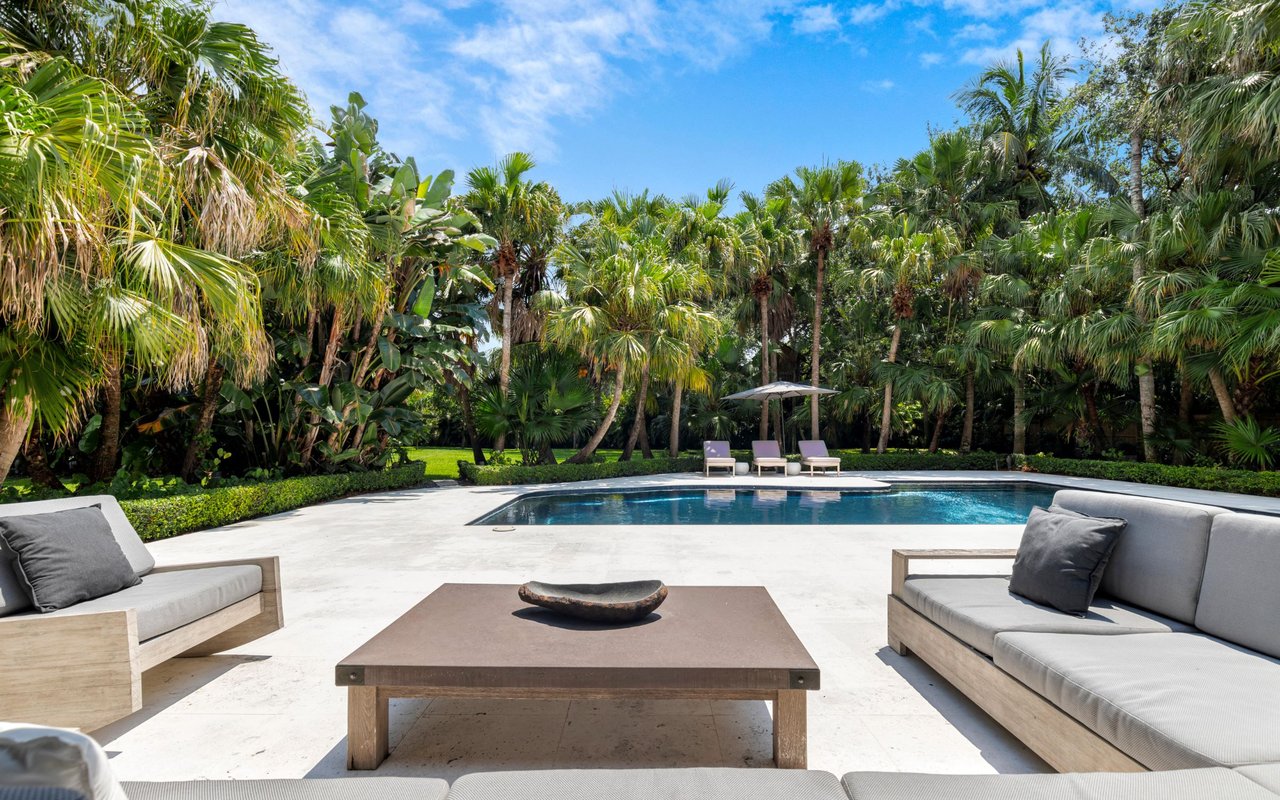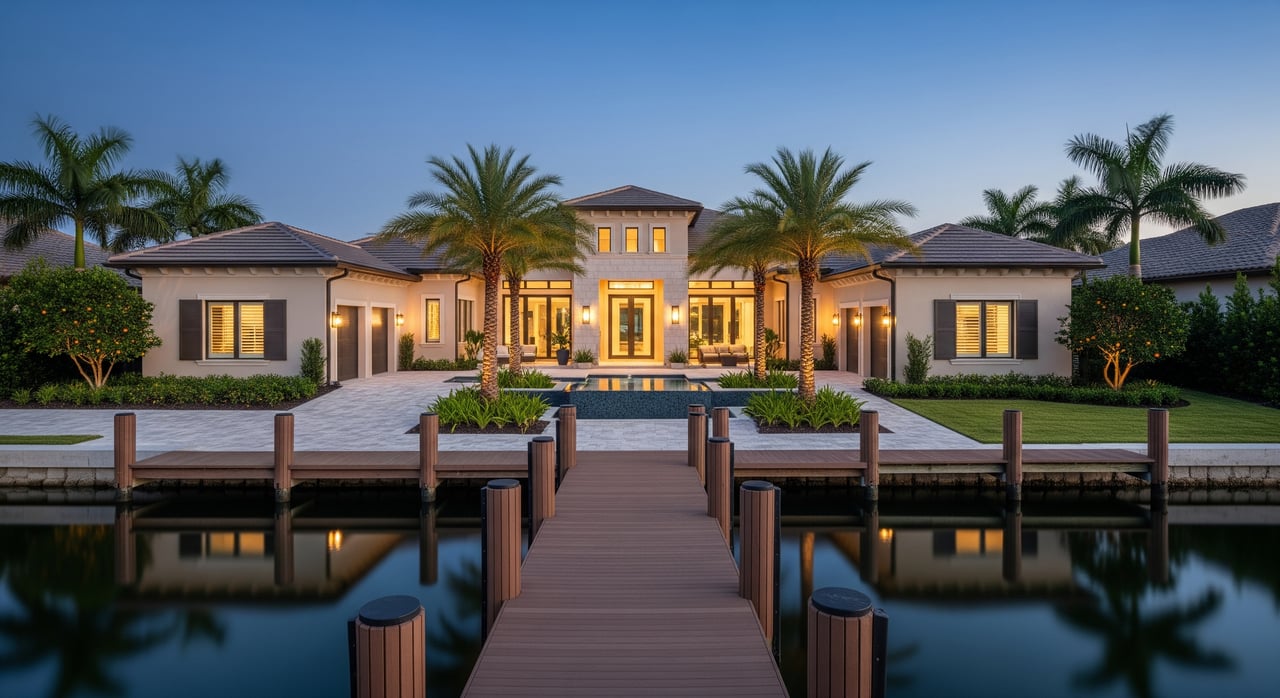
Are you trying to decide if The Place at Corkscrew Shores is the right fit, but online photos only tell part of the story? If you’re relocating or shopping for a second home in Lee County, you need more than a quick walk‑through. A private, guided tour helps you compare homes, see amenities in real time, and get clear answers on rules, fees, and timelines. Here’s how a structured visit works, what to look for, and how to position your offer to win in a tight market. Let’s dive in.
Why a private tour matters
Lee County attracts a mix of relocation, seasonal, and investment buyers. Inventory can move fast and every community has its own rules, fees, and lifestyle features. A private tour lets you experience noise, traffic flow, nearby services, and construction activity in person.
If you’re weighing model homes against resales, a guided visit helps you break down what’s standard, what’s upgraded, and how each option affects your timeline and budget. You can also verify HOA and rental rules, understand insurance considerations, and walk the amenities you’ll actually use.
How private tours work at The Place at Corkscrew Shores
Scheduling and access
- Appointments are often required for amenity-rich or gated communities. Expect to show ID at the gate and sign in as a guest.
- Many sales centers require your agent to register and accompany you. Confirm whether you can tour on your own or need an escort.
- Check clubhouse, pool, and fitness hours before you go. Not all amenities are open to uncontracted visitors.
What to bring and request
- A current mortgage pre‑approval or proof of funds if paying cash.
- Photo ID for gate access.
- Your list of must‑have features and dealbreakers.
- HOA governing documents and budgets when available, including rental rules, pet policies, and any community development district (CDD) assessments.
- For models: an itemized list showing which features are standard vs upgrades and any current builder incentives.
On‑tour focus areas
- Orientation to daily life: proximity to groceries, healthcare, and the airport; typical traffic patterns; active construction phases.
- Sound and privacy: road noise, pool areas, and any planned roads or amenities nearby.
- Water and weather: flood zone status, elevation information, and hurricane‑mitigation features like impact glass or shutters.
Model homes vs resales: what to compare
Key differences in simple terms
- Models often showcase the highest upgrade levels and polished landscaping. They may come with builder warranties and time‑sensitive incentives.
- Resales can offer faster closings, established landscaping, and immediate move‑in. Negotiations usually focus on condition and inspection results.
What to confirm in model homes
- Standard vs upgrade: Ask for a detailed feature list with pricing so you know what is included.
- Completion timeline: Verify phase maps, lot availability, and typical build times for your floor plan.
- Warranties: Understand what’s covered and for how long for structural, mechanical, and workmanship items.
- Changes and costs: Learn the process and pricing for any customization or change orders.
- Landscaping: Clarify what you’ll receive versus the enhanced model presentation.
What to check in resales
- Mechanical ages and records: HVAC, water heater, and roof. Request service documentation when possible.
- Storm and insurance history: Ask about past claims or repairs and whether warranties are transferable.
- Permits and inspections: Confirm permits for any additions or remodels and whether final inspections passed.
- Pest and termite treatment: Request evidence of treatment and any ongoing service contracts.
- Appliances and home warranties: Identify what conveys and if any coverage transfers at closing.
Inspection priorities for both options
- Structure and envelope: Roof condition, window and door operation, exterior sealing, and drainage.
- Systems: HVAC age and capacity, electrical panel size and labeling, water heater size and type.
- Plumbing and interior finishes: Look for leaks, test water pressure, review tile grout and cabinetry installation.
- Exterior: Grading, irrigation lines, fence integrity, and proximity to water features that may affect erosion or insurance.
- New builds: Confirm builder quality checks and whether you can hire an independent inspector before final walk‑through.
Amenities and community details to verify
Lifestyle features to see in person
- Clubhouse and community center: Hours, membership requirements, guest policies, and fees.
- Pools and fitness: Access rules, maintenance schedules, and seasonal availability.
- Courts and recreation: Tennis, pickleball, bocce, dog areas, and reservation policies.
- Paths and landscaping: Maintenance standards and how common areas are cared for.
Rules and fees to confirm
- Monthly HOA dues and what they cover, such as landscaping and common‑area insurance.
- CDD assessments if applicable, which can be common in newer Florida developments.
- Rental policies, including minimum lease lengths, approvals, and registration requirements.
- Security and gates: Visitor protocols and any technology you’ll use for guest access.
Neighborhood context to experience
- Drive at likely commute or peak times to feel actual traffic and travel times.
- Listen and look for construction activity in current or planned phases.
- Note utility providers, irrigation systems, and estimated usage costs.
Competing in a tight inventory market
Prepare before you tour
- Secure a full mortgage pre‑approval, not just a pre‑qualification. Second‑home loans may have stricter requirements.
- Cash buyers should have proof of funds ready and be open to flexible possession or quick closings when appropriate.
- If renting seasonally is part of your plan, review HOA and CC&R rules in advance so your offer matches your goals.
Craft a strong, safe offer
- Consider stronger earnest money and shorter inspection resolution periods while keeping essential inspections intact.
- If you use an escalation clause, set a clear cap and understand how competing offers will be verified.
- Offer flexible closing dates to match seller or builder timelines.
- Limit contingencies you do not need. For example, shorten a mortgage contingency if your lender can meet faster timelines.
Remote buyer strategies
- Start with virtual walk‑throughs, then stack private tours into a single, efficient visit.
- Have your agent collect HOA documents, permit history, and other records before you arrive.
- If you cannot attend closing, arrange for a local closing agent to handle a remote closing or a power of attorney.
- Plan for hurricane season timing, which can affect inspections, insurance binding, and move‑in logistics.
Financing and insurance notes
- Work with lenders familiar with coastal Florida. Underwriting may review flood zone data, insurance availability, and comparable sales closely.
- Ask for insurance quotes early, including wind and flood as applicable, so your total monthly cost is clear before you write an offer.
- Discuss appraisal gap strategies with your lender to understand what is permitted under your loan type.
Your private tour, step by step
Here is a simple flow you can expect with a guided visit tailored to your goals:
- Pre‑call planning
- Clarify your must‑haves, tour date and time, price range, and whether you prefer model homes, resales, or both.
- Share your pre‑approval or proof of funds for smooth access and stronger negotiating position.
- Appointment and access
- Your escort registers you at the gate, confirms amenity availability, and lines up any sales‑center introductions if needed.
- Side‑by‑side comparisons
- Walk a model and a resale of similar size to learn what finishes and timelines look like across options.
- Use an itemized list of standard features and upgrades to ground decisions in facts.
- Amenity walk‑through
- Tour the clubhouse, fitness, pool areas, and courts. Confirm guest policies, fees, and reservation rules.
- Document and detail review
- Request HOA rules, budgets, and any CDD assessments. For models, review warranty coverage and build timelines.
- For resales, request service records, permits, and any transferable warranties.
- Action plan and next steps
- If you’re ready to write, align on offer strategy, timelines, and contingencies that fit your risk tolerance.
- If you need more data, schedule inspector consults or a second, targeted visit.
Quick checklists for your tour
Documents to bring or request
- Mortgage pre‑approval or proof of funds
- Photo ID for gated access
- Your feature checklist and dealbreakers
- Contact info for decision‑makers who may join by phone
Key questions to ask
- Which features are standard and which are upgrades? Can I see prices for each?
- What do HOA dues include? Are there special assessments or a CDD?
- What are the rental and pet rules?
- What warranties are provided on new homes? Are any warranties transferable on resales?
- Are there pending phases, road work, or nearby construction planned?
- Who are the utility providers, and is the home on municipal sewer or septic?
- Is the property in a FEMA flood zone? Can I review elevation and flood history if known?
- What is the expected closing timeline for this lot or home?
- Are there easements or conservation areas that affect lot use?
- For waterfront settings: what are the rules on boat storage, launch, or dredging schedules if applicable?
On‑site inspection snapshot
- Check gaps at windows and doors and run faucets to test water pressure.
- Confirm HVAC operation, appliance function, and electrical panel labeling.
- Look in accessible attic areas if allowed and observe floor evenness and grout quality.
- Walk the lot for grading, irrigation, and landscaping maturity.
Ready to experience The Place at Corkscrew Shores with a plan that protects your time and your budget? Schedule a guided, private tour geared to your goals and timelines. Connect with Peggy Lotz to set up your visit and get expert, low‑pressure advice from a local who knows the details that matter most.
FAQs
How do private tours work at The Place at Corkscrew Shores?
- Appointments are scheduled in advance, you bring ID for gate access, and your agent often escorts you through model homes and amenities based on your goals.
What should I bring to a private tour in Lee County?
- Bring a mortgage pre‑approval or proof of funds, photo ID, a checklist of must‑haves, and be ready to request HOA documents, budget details, and any CDD assessments.
How do I compare model homes vs resales during a tour?
- Verify what’s standard vs upgrade in models, review build timelines and warranties, then check resale condition, service records, and any transferable coverage.
What community rules and fees should I confirm before making an offer?
- Clarify HOA dues and coverage, rental and pet rules, any special assessments or CDD charges, and amenity access rules like guest policies and reservation systems.
How can I strengthen my offer in a competitive Lee County market?
- Use a full pre‑approval, consider stronger earnest money, keep essential inspections, offer flexible closing dates, and tailor contingencies to your comfort level.
What insurance and flood considerations should I ask about on tour?
- Ask whether the property is in a flood zone, review elevation information if available, and request quotes for wind and flood coverage early in the process.